
Interdisciplinary Foundations for Success in Health Professions
Posted by | Categories: Service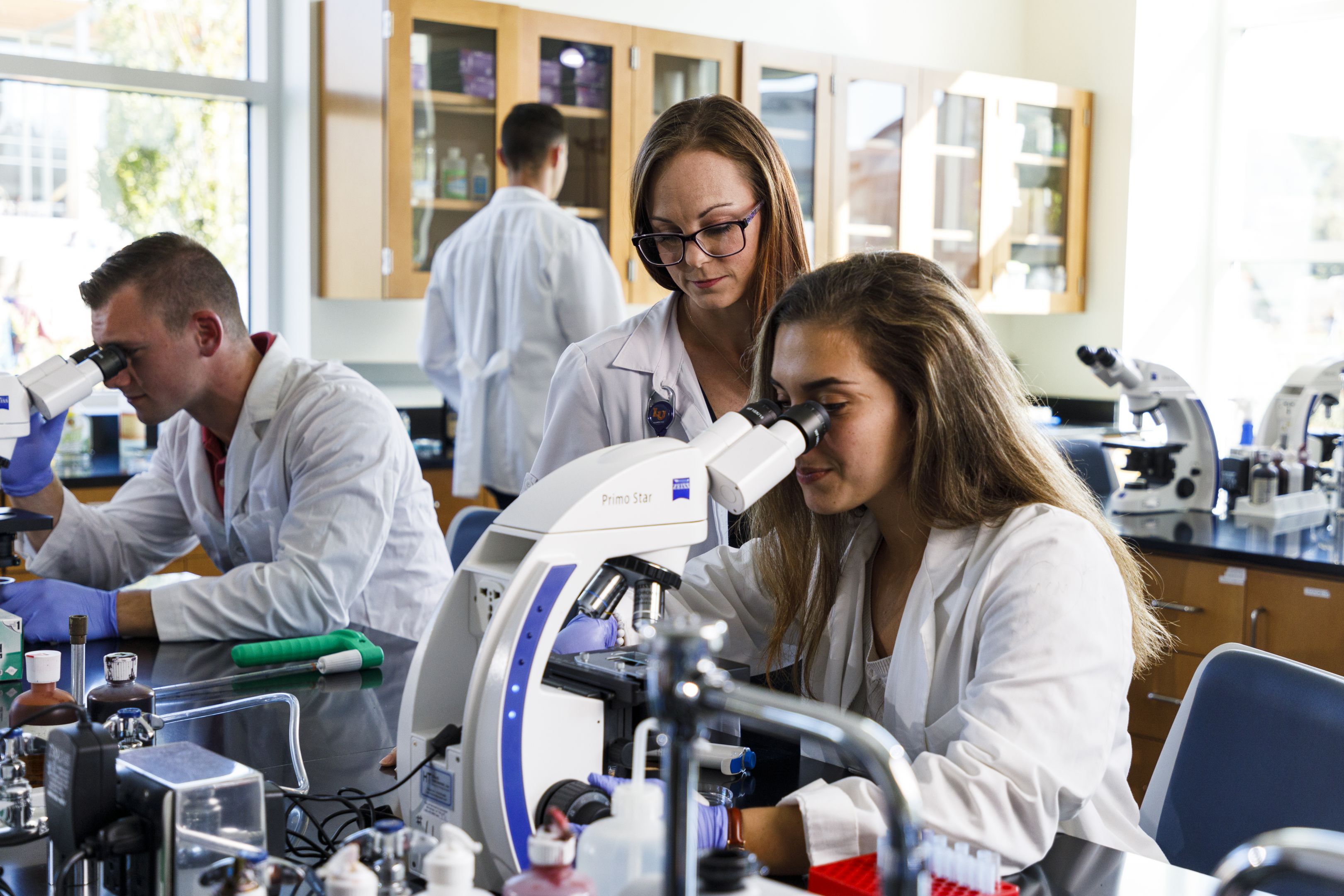
A strong interdisciplinary foundation is increasingly recognized as essential for success in the health professions. Students preparing for careers in clinical practice, research, or academic medicine benefit from a broad and integrated understanding of biological, chemical, and behavioral sciences. A masters degree in biomedical sciences—particularly through a structured masters in biomedical data science program—offers this critical academic grounding.
This type of graduate study cultivates competencies that go beyond traditional lecture-based instruction. It brings together elements of physiology, pharmacology, molecular biology, and pathophysiology with applied components such as clinical reasoning, research methodology, and scientific communication. These overlapping domains form the intellectual framework that supports patient-centered care and informed decision-making in health-related fields.
Interdisciplinary training also reflects the current demands of professional school curricula. Medical, dental, physician assistant, and other advanced health programs require students to synthesize knowledge across disciplines. Graduate-level preparation allows candidates to demonstrate their readiness for these challenges while improving academic metrics, such as GPA and standardized test performance.
Students in a master of science in medical science program are often exposed to case-based learning, literature reviews, and laboratory experiences. These elements foster a systems-based view of human biology and pathology. Furthermore, students develop transferable skills—such as data interpretation, critical analysis, and collaborative problem-solving—that are relevant to diverse roles in clinical, research, or regulatory environments.
Beyond individual advancement, interdisciplinary study has broader implications for community health. Graduates of biomedical science programs are well positioned to contribute to population-focused initiatives, evidence-based practice, and translational research. Their background enables them to connect scientific findings with real-world applications, improving health care for all communities through informed innovation and service delivery.
In addition, the curriculum structure typically allows for flexibility in career trajectory. While many students continue to pursue medical or dental school, others transition into academic research, biotechnology, or public health analysis. The foundational skill set developed through interdisciplinary graduate study provides stability and adaptability across sectors.
In summary, graduate education rooted in interdisciplinary science equips future health professionals with the tools required for long-term success. A masters degree in biomedical sciences supports academic progression, reinforces integrated learning, and promotes practical contributions to the broader health ecosystem. This strategic preparation remains vital for those aiming to lead and innovate in the evolving landscape of health care.